中部山区
Nuwara Eliya
海拔一千八百六十八米的努沃勒埃利耶是斯里兰卡最高的城镇,也是最令人着迷的时光胶囊——人称"小英伦":殖民时期的老酒店、玫瑰粉色的邮局与修剪齐整的花园,被茶园与山间薄雾温柔环抱。参观运转中的百年茶厂,在格雷戈里湖上泛舟,来一盒新鲜草莓,再早起出发前往霍顿平原。
Nothing in the lowlands prepares you for Nuwara Eliya. You climb out of the palms and paddy through switchbacks and waterfalls, the air cooling with every hairpin, until suddenly the landscape turns to clipped green velvet — tea, in every direction, pinned to the hillsides in contour lines — and you arrive in a town of half-timbered facades, rose gardens, a racecourse and a brick post office the colour of strawberry ice cream. At 1,868 metres above sea level, this is Sri Lanka’s highest town, founded by the British in the 19th century as a hill-station refuge from the heat, and it has never entirely stopped being one.
They called it Little England, and the nickname still fits: mock-Tudor gables, trout streams, an 18-hole golf course from 1889, and grand old hotels where afternoon tea is taken seriously and log fires are lit each evening — because yes, in the tropics, ten degrees off the equator, you will genuinely want a fireplace. That cheerful incongruity is the town’s charm. Come for the tea, stay for the time travel.
Tea country — estates and factory tours
Nuwara Eliya is the capital of Ceylon tea’s highest grade. The high-grown teas produced above 1,200 metres around the town are prized worldwide for their brightness and delicate, almost citrus character, and the plantations here have been in continuous production since the 1870s — after a leaf blight wiped out the island’s coffee, a Scot named James Taylor’s tea experiment near Kandy turned into the industry that reshaped these highlands.
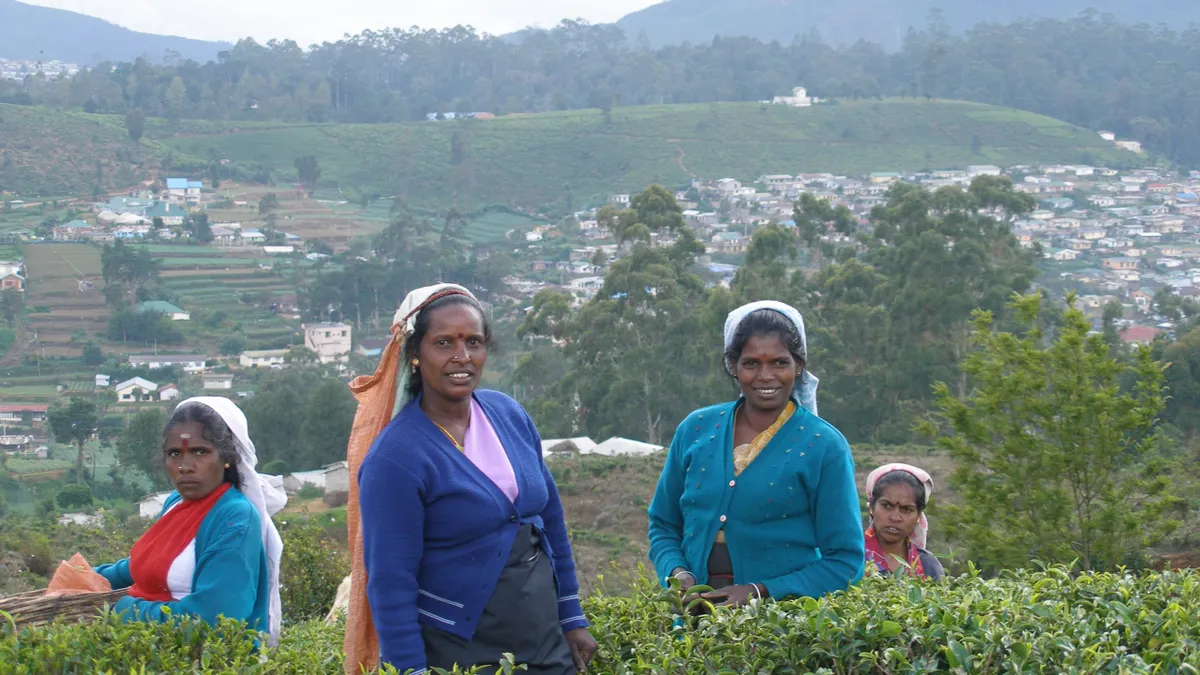
A tea factory tour is essential and genuinely fascinating: you follow the leaf from the weighing floor through withering troughs, rollers, fermentation beds and firing ovens — a process barely changed in 150 years, in factories that still run on Victorian machinery. It ends, of course, with a tasting, where you learn to tell a pekoe from a dust grade and why the water matters. Several historic estates within a short drive of town welcome visitors daily; your driver or hotel can point you to one matching your route. Between visits, simply being among the tea is the treat — emerald slopes dotted with pluckers in bright saris, eucalyptus windbreaks, and mist drifting through it all by early afternoon.
Around town — the pink post office, Gregory Lake and Victoria Park
The town rewards a half day on foot. Start at the Nuwara Eliya Post Office, the 1894 red-brick, clock-towered confection that has become the town’s unofficial emblem — and still a fully working post office, should you fancy mailing a postcard from Little England. Nearby, Victoria Park is arguably the prettiest municipal garden in Sri Lanka, ablaze with flowerbeds in season and a favourite of birdwatchers hunting hill-country endemics. The central market is the place for the town’s famous produce: leeks, carrots and cabbages from the surrounding vegetable terraces, and — the local obsession — strawberries, sold by the punnet, dipped in chocolate, or piled onto waffles at the strawberry farms on the edge of town.
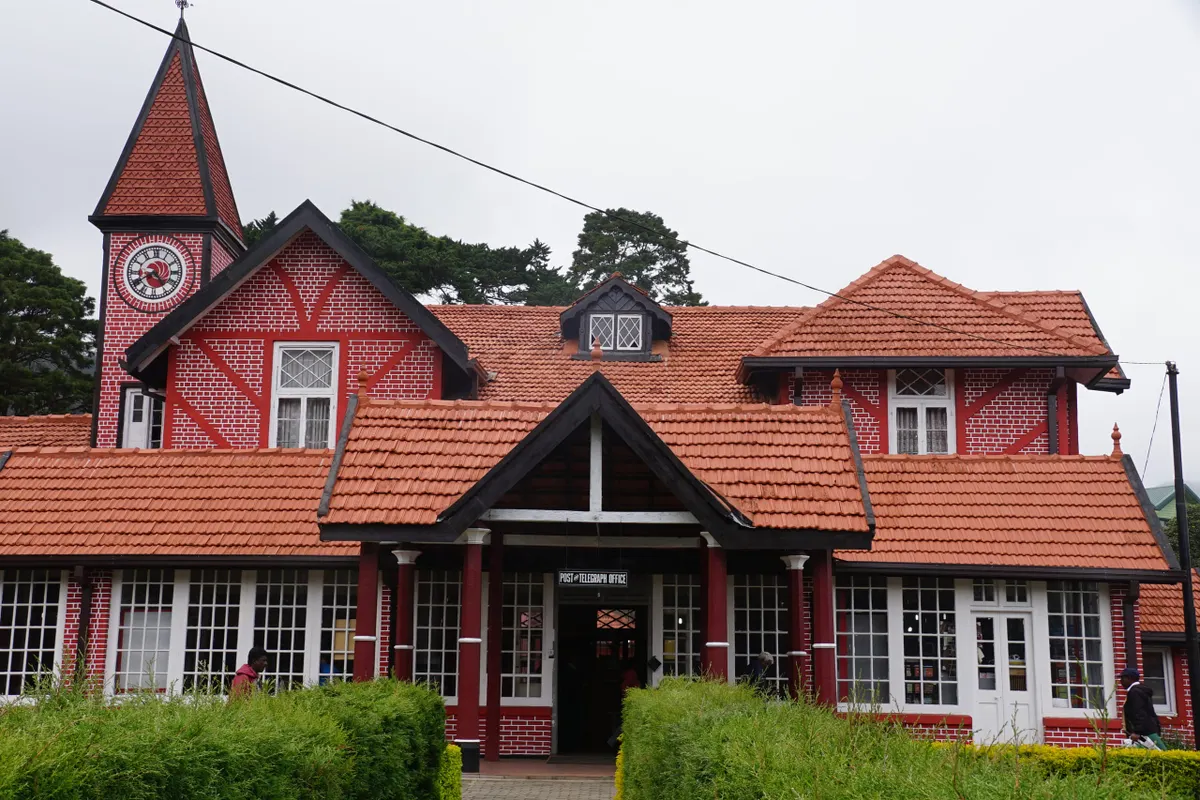
Then wander the colonial quarter: the Grand Hotel’s sprawling lawns, the Hill Club’s time-capsule dining room, St Andrew’s trout-lodge gables. In April, Sri Lankan holidaymakers pour in for the “season” — flower shows, horse racing and motor races — and the town becomes its liveliest self.
Gregory Lake and gentler pleasures
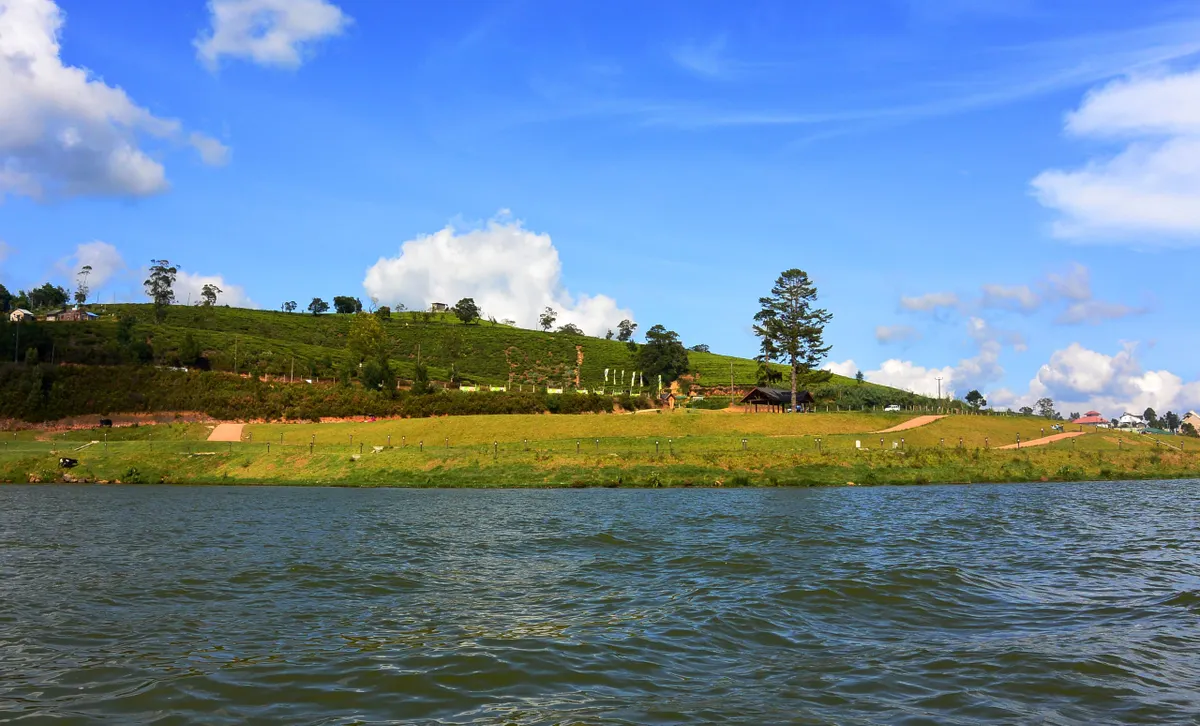
South of the centre, Gregory Lake — created in 1873 by damming a mountain stream — is Nuwara Eliya at leisure: swan pedal boats, pony rides, jet-ski runs, and a lakeside promenade made for slow evening laps as the light goes gold on the water and the hills behind. Rent a bicycle, find a bench with a flask of tea, and let an afternoon dissolve. For a viewpoint, the short drive up Lovers Leap waterfall trail or toward Shanthipura — among the highest villages on the island — puts the whole tea-quilted bowl of the town below you.
Horton Plains and the World’s End
Nuwara Eliya is the classic base for Horton Plains National Park, a windswept, otherworldly plateau of cloud forest and golden grassland about an hour’s drive above town. The famous 9-kilometre loop trail leads to World’s End, where the plateau simply stops — an escarpment dropping nearly 900 metres, with views (on a clear dawn) all the way toward the southern coast — and loops back past Baker’s Falls. The catch: mist swallows the view most days by 9 to 10 am, so safari-style early starts are non-negotiable. Leave town in the dark, be walking by first light, and pack a warm layer — pre-dawn temperatures up here flirt with freezing.
Know before you go
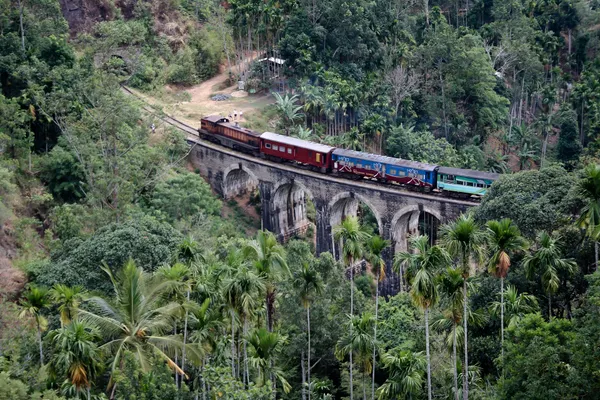
- Getting there: about 2.5 to 3 hours by road from Kandy, or take the glorious hill railway to Nanu Oya station, 20 minutes below town. The onward line to Ella is one of the world’s great train rides.
- Pack real warm layers — evenings drop to single digits Celsius, and unheated rooms are common outside the grand hotels.
- Weather is mistiest June to September under the southwest monsoon’s influence; January to April brings the clearest mornings. Rain is possible any month — it is what keeps the tea this green.
- Mornings are everything here: for Horton Plains, for photography, for views. Plan late starts for nothing.
- April “season” is festive but booked solid — reserve well ahead.
Nuwara Eliya is the heart of our Hill Country Escape 4-day tour — tea factory, lake, colonial afternoon tea and a dawn raid on World’s End.
Ready to trade the heat for tea and fireplaces? Browse our tours or start planning with us.
为您精选