2026年7月28日 · The Ceylon Days Team · 阅读时长 6 分钟
Sri Lanka's Cultural Triangle: How to Plan the Perfect Two or Three Days
Ancient capitals, cave temples and a fortress in the sky — the Cultural Triangle packs two thousand years of history into one dry-zone plain. Here is how to route it, where to base yourself, and which sunrise climb to choose.
本页目录
Spread across the dry-zone plains of north-central Sri Lanka, the Cultural Triangle is where the island keeps its oldest stories. Its corners are usually drawn at Anuradhapura, Polonnaruwa and Kandy, with Sigiriya and the cave temples of Dambulla sitting inside the frame. Between them you get more than two millennia of Buddhist civilisation: brick stupas the size of small hills, reservoirs older than most European cathedrals, and a rock fortress with a fifth-century swimming pool on its summit.
The good news is that you do not need a week here. With a sensible base and an early alarm clock, two to three days covers the highlights without turning the trip into a ruins death-march. This guide walks through how we route it for our own guests.
What the Triangle actually is
Each site plays a different role, and knowing that helps you prioritise:
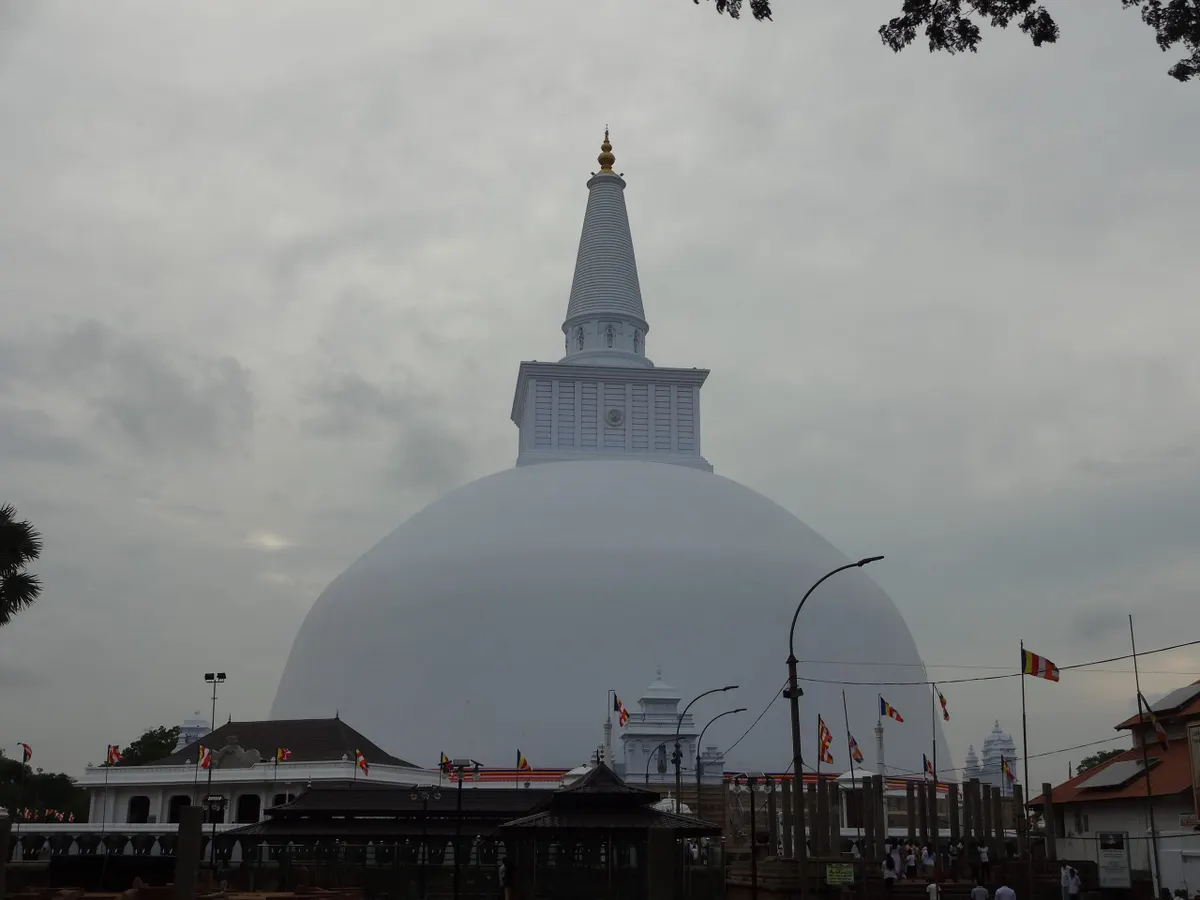
- Anuradhapura was the island's capital for over a thousand years, from roughly the fourth century BC. It is vast and still a living pilgrimage site — the sacred Sri Maha Bodhi tree here was grown from a cutting of the tree under which the Buddha attained enlightenment, and it has been tended continuously ever since. Expect white-clad pilgrims, enormous dagobas and a lot of ground to cover.
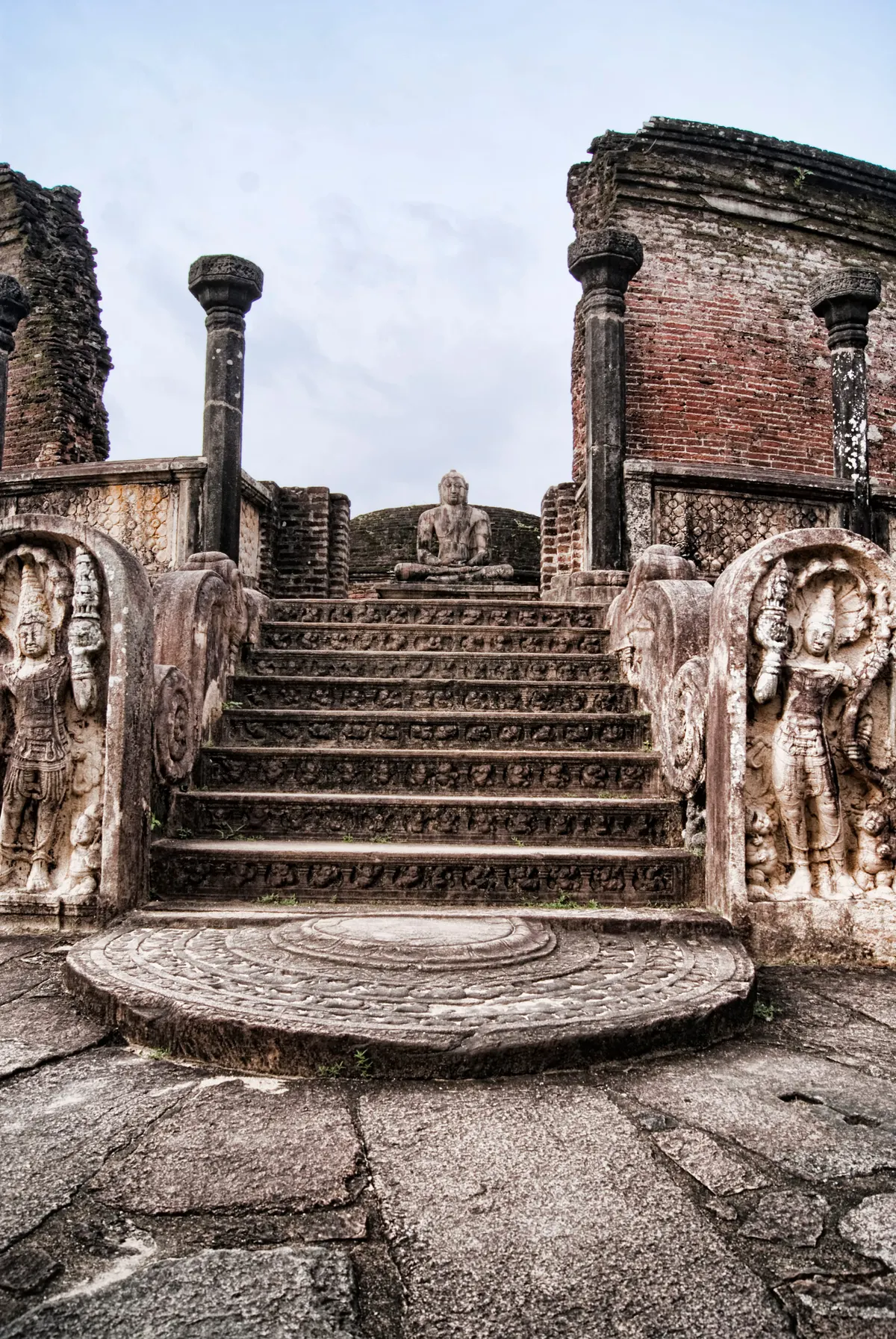
- Polonnaruwa took over as capital in the eleventh century and is the opposite experience: compact, beautifully preserved and easy to explore by bicycle in half a day. The Gal Vihara rock-cut Buddhas and the circular Vatadage are the stars.
- Dambulla is a working temple complex of five painted caves climbing a granite outcrop, filled with more than a hundred Buddha statues and ceilings covered in murals. It takes about ninety minutes and slots neatly into a travel day.
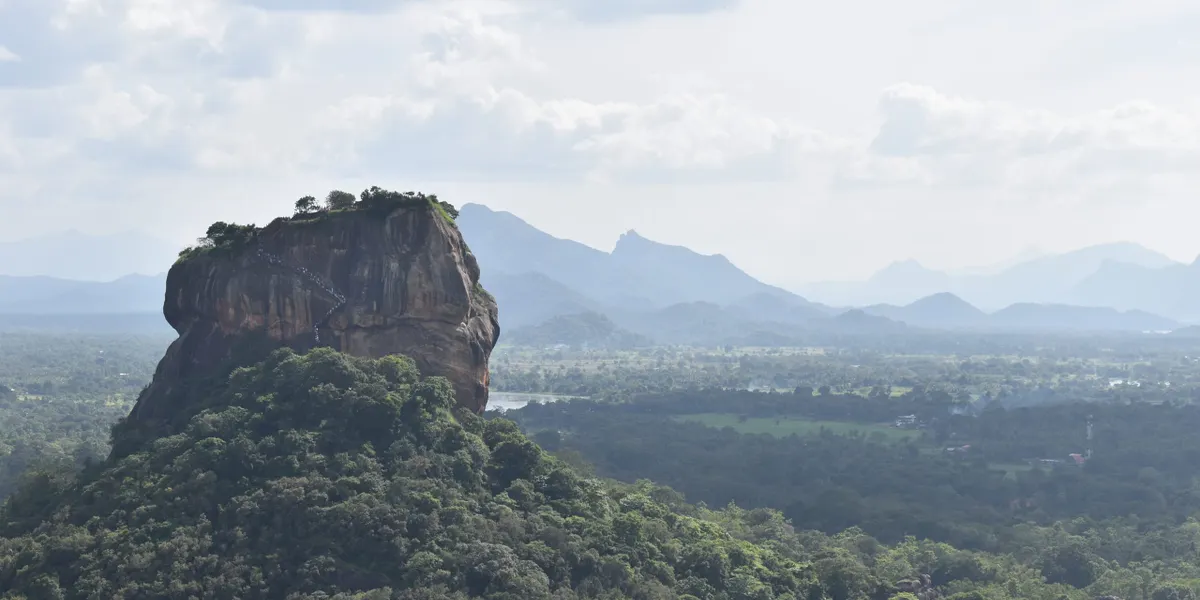
- Sigiriya is the one everybody comes for — King Kasyapa's fifth-century palace-fortress on a 200-metre rock, with its water gardens, mirror wall and famous frescoes. A UNESCO World Heritage Site and, honestly, worth the hype.
- Kandy, the hill capital and home of the Temple of the Sacred Tooth Relic, technically anchors the southern corner, though most travellers treat it as the next stop after the Triangle rather than part of the same visit.
Where to base yourself
Base in the Sigiriya–Dambulla–Habarana area. It sits within about an hour of everything except Anuradhapura (closer to ninety minutes), and it has the region's best spread of accommodation, from village guesthouses to lovely jungle hotels. Basing in one place and day-tripping beats repacking every night, and it puts you five minutes from the rock for the early start that matters most.
A routing that works well:
- Day 1: arrive from Colombo or the airport (four to five hours by road), stopping at Dambulla's cave temples on the way in. Settle in near Sigiriya; if energy allows, climb Pidurangala for sunset.
- Day 2: Sigiriya rock at opening time, back at the hotel for a late breakfast, then an afternoon in Polonnaruwa — hire bicycles at the site entrance and ride between the ruins in the softer light.
- Day 3 (optional): a half-day in Anuradhapura, or an afternoon elephant safari at Minneriya, before continuing south to Kandy.
If you only have two days, we would drop Anuradhapura rather than Polonnaruwa. It is the harder site to do justice to in a hurry, and it deserves an unhurried return visit.
Sigiriya or Pidurangala at sunrise?
This is the question we get most, and the honest answer is: both, if you can, on different days — they do different jobs.
Climb Sigiriya itself at opening time, around 6.30 to 7 a.m. You beat the coach crowds on the narrow staircases, the frescoes are quiet, and you finish the summit before the dry-zone heat arrives — by 10 a.m. the rock is a frying pan. The climb is around 1,200 steps and most reasonably fit people manage it in under an hour with stops.
Climb Pidurangala, the neighbouring rock, for the view of Sigiriya. It is a shorter, rougher scramble (the last stretch involves clambering over boulders) and the sunrise view of the fortress floating above the forest is the photograph everyone actually wants. Many travellers do Pidurangala for sunrise and Sigiriya straight after; that works, but it makes for a long, hot morning — we prefer Pidurangala at sunset the day before.
The Minneriya elephant Gathering
If you are here between about July and September, build in an afternoon jeep safari at Minneriya National Park, twenty minutes from Habarana. During the dry months, wild elephants converge on the receding shores of the ancient Minneriya reservoir to graze — often a hundred or more in view at once, in what is known simply as The Gathering. It is one of Asia's great wildlife spectacles and a completely different flavour of safari from the leopard-focused drives in Yala — gentler, greener, and all about the herds. Read our Yala safari guide if you want big cats later in your trip.
Outside those months the elephants shift between Minneriya and neighbouring Kaudulla and Hurulu Eco Park; a good local driver will know where the herds are that week.
Practical notes worth knowing
- Dress for temples. Shoulders and knees covered at Dambulla, Anuradhapura and the Tooth Relic temple in Kandy; shoes and hats off at shrine entrances. A light sarong in your daypack solves everything. The stone underfoot gets scorching by midday — socks are a small mercy.
- Respect the heat. The Triangle is one of the hottest, driest corners of the island. Do the climbing before 9 a.m. or after 4 p.m., and carry more water than feels reasonable.
- Tickets are per site and foreigner pricing adds up across Sigiriya, Polonnaruwa, Anuradhapura and Dambulla — budget for it rather than being surprised at each gate. Sigiriya is the most expensive of the set.
- Backs to Buddha statues: posing with your back to a Buddha image is considered disrespectful and can cause real offence. Photograph the statues, not selfies in front of them.
- Guides are worth it at Polonnaruwa and Anuradhapura especially, where unlabelled brick foundations become royal palaces and monastic hospitals with the right storyteller.
Fitting the Triangle into a bigger trip
The Triangle slots naturally into the classic island loop: culture first, then Kandy, the hill-country train to Ella, and the south coast beaches to finish. That is exactly the shape of our 10-day Sri Lanka itinerary, and a tighter version anchors our Classic Ceylon 7-day tour. Timing-wise, the dry zone is forgiving — the Triangle stays workable most of the year, even when the southwest coast is catching monsoon rain.
If you would like the routing, tickets, guides and early starts handled for you — with a driver who knows which gate opens first — talk to us and we will build the Triangle into your trip properly.
继续阅读