2026年7月17日 · The Ceylon Days Team · 阅读时长 5 分钟
The Best Time to Visit Sri Lanka: Two Monsoons, and Always a Right Coast
Sri Lanka has two monsoons on opposite schedules — which means there is no bad month, only a wrong coast. Here is how the seasons actually work, month by month, with the wildlife calendar and pilgrimage season built in.
本页目录
Ask when to visit Sri Lanka and you'll get a confusing chorus of answers — because the honest one is "it depends which side of the island you're standing on." Sri Lanka is small, but its mountains split the weather in two: while one coast is being rinsed by monsoon rain, the other is sunny, calm and very much open for business.
Once you understand the pattern, the confusion dissolves into one of the island's best features: there is no bad time to visit Sri Lanka — only a wrong coast for the month you've chosen. Here's how to always pick the right one.
The two-monsoon system, properly explained
Two separate monsoons take turns:
- The southwest (Yala) monsoon brings rain to the west and south coasts and the central hills roughly from May to September. So the classic beach belt — Bentota, Galle, Mirissa, Unawatuna — has its dry, glorious high season from about December to March.
- The northeast (Maha) monsoon rains on the east and north roughly from December to February. So the east coast — Trincomalee, Arugam Bay, Pasikudah — shines from about May to September, precisely when the southwest is wet.
Between the two sit the inter-monsoon months (roughly April, and October–November), when showers can turn up anywhere, usually as short, dramatic afternoon thunderstorms rather than washed-out days. The cultural triangle — Sigiriya, Anuradhapura, Polonnaruwa — sits in the dry zone and is workable most of the year, and hill-country rain tends to come in bursts rather than sieges.
December to March: the classic season
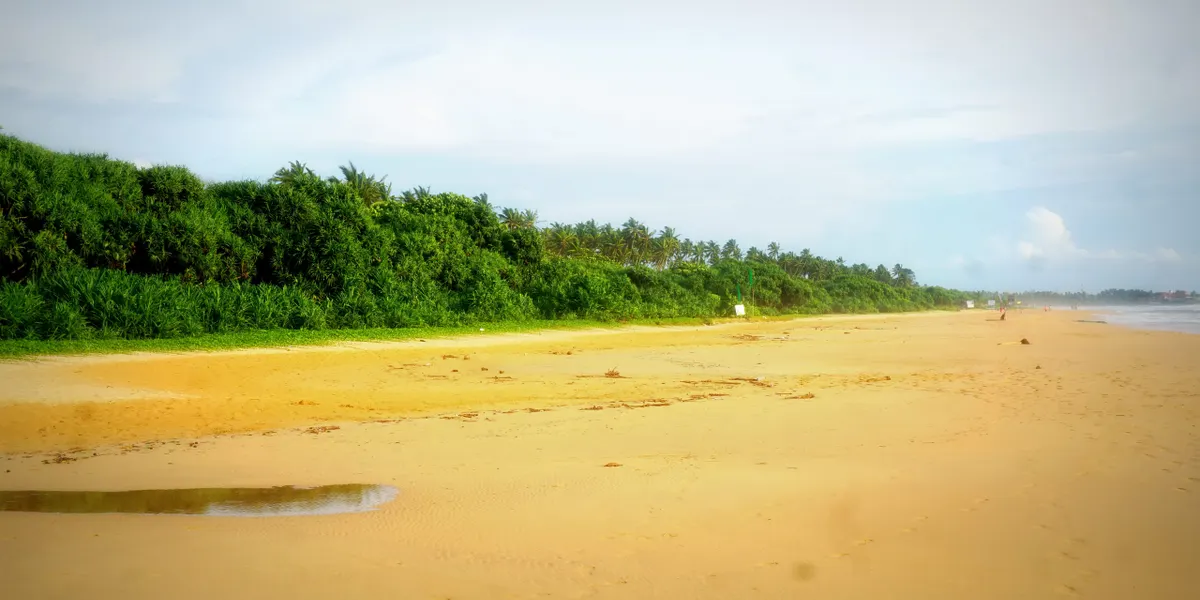
This is Sri Lanka at its postcard best on the west and south: dry skies, calm seas and warm water from Bentota down through Galle to Mirissa. It's also the best window for the full clockwise circuit — cultural triangle, hills, south coast — since everywhere on that route is at or near its driest. The hill country is clear and crisp (genuinely cold at night in Nuwara Eliya), and this is prime time for the famous train ride to Ella.
Two things to know. First, this is high season: Christmas to mid-January and February book out far ahead, so plan early. Second, this is when Mirissa's blue whale season peaks — boats run November to April, with sightings of blue and sperm whales remarkably reliable; our whale watching guide has the details.
April: the shoulder, and a national party
April is transition month — hot, increasingly humid on the west coast, but often still lovely, with thinner crowds and softer prices as the season winds down. It's also when the whole island stops for Avurudu, the Sinhala and Tamil New Year in mid-April: families travel home, shops close for a few days, and you'll see traditional games, oil lamps and tables of sweets everywhere. It's a wonderful cultural moment to witness — just book transport ahead, because the whole country is on the move.
May to September: the east coast's turn
When the southwest monsoon arrives, savvy travellers simply switch coasts. The east is a different Sri Lanka — quieter, flatter, with long white beaches and a slower rhythm.
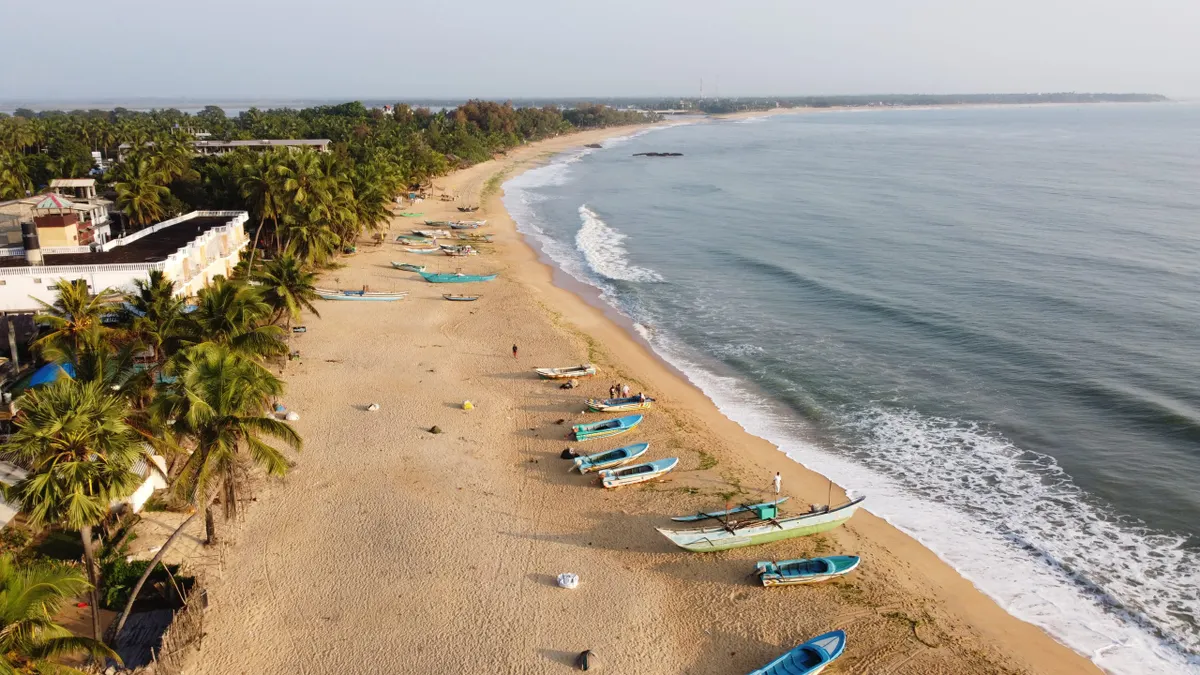
Arugam Bay is the headline act: one of Asia's best surf spots, with its celebrated right-hand point break working best from roughly May through September, plus a laid-back scene of beach cafés and board racks. Further north, Trincomalee offers deep natural harbours, the temple-topped Swami Rock, and the pale sands of Uppuveli and Nilaveli, with snorkelling around Pigeon Island at its clearest in these months. Whales move too: sperm and blue whale watching runs off the east coast from May to September, mirroring the southern season.
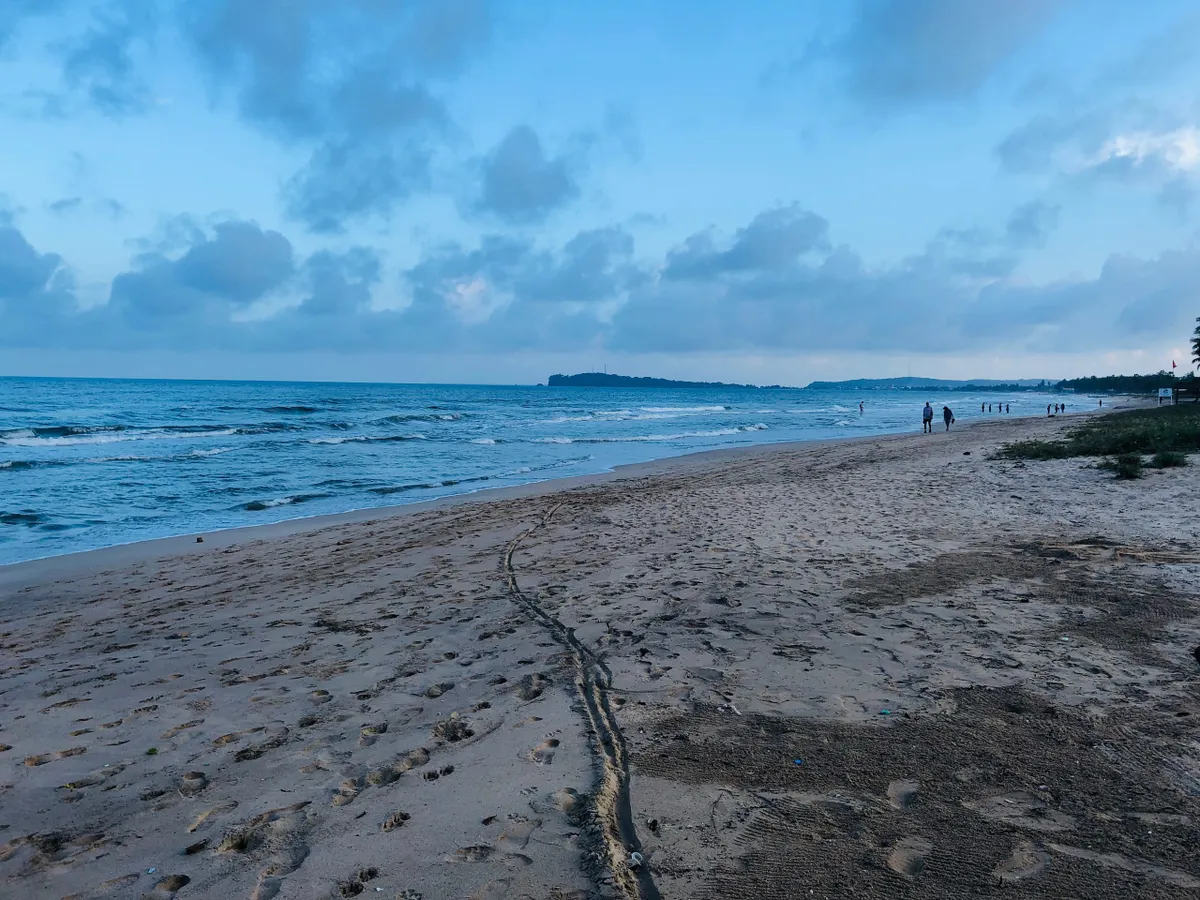
The cultural triangle remains dry and very doable in these months (hot, so climb Sigiriya early), meaning a superb midsummer route exists: triangle, east coast, and back — the itinerary most July–August visitors never hear about.
October to November: the wildcard
The second inter-monsoon is the least predictable stretch — bursts of heavy rain possible anywhere, especially October. But it's far from a write-off: rain usually comes in short afternoon doses, the island turns intensely green, prices dip and crowds vanish. By November the southwest coast is drying out and whale boats are back in the water at Mirissa. If you're flexible and don't mind the odd downpour, this is the value window.
The wildlife calendar
Weather sets the safari rhythm too:
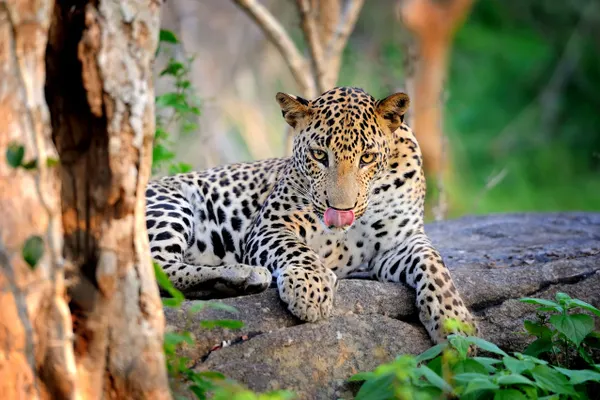
- Yala National Park — leopards, elephants, sloth bears — is at its best February to July, when drought concentrates animals around waterholes. (The park traditionally closes for a spell around September–October.)
- Minneriya's "Gathering" — hundreds of wild elephants converging on the reservoir bed near Sigiriya in August–September — is one of Asia's great wildlife spectacles, and it conveniently coincides with the east-coast season.
- Udawalawe is the year-round elephant banker: near-guaranteed sightings whatever the month.
- Whales: Mirissa November–April; Trincomalee side May–September.
Pilgrims and festivals
The Adam's Peak pilgrimage season runs from December to May (the Duruthu full moon to Vesak), when the mountain's stairway is lit through the night and climbers summit for dawn — outside those months, Adam's Peak is cloud-wrapped and mostly unlit. And in July/August, Kandy stages the Esala Perahera, ten nights of drummers, fire dancers and lavishly adorned elephants honouring the Sacred Tooth Relic — worth planning an entire trip around; see our full Esala Perahera guide for dates and seats.
The verdict
December to March for the classic west-and-south circuit; May to September for the east, the surf and the Gathering; April and October–November for value, greenery and flexible plans. Whatever your dates, the right coast exists — the trick is simply building the route around it. Tell us when you can travel and we'll shape the island to your calendar, or browse our tours to see how each season's routes fit together.
继续阅读