24 июля 2026 г. · The Ceylon Days Team · 5 мин чтения
Yala Safari Guide: Leopards, Timing and How to Do It Right
Yala has one of the highest leopard densities on earth, but a great safari is about more than luck. When to go, dawn versus afternoon drives, choosing a jeep operator, and why Udawalawe deserves a place on your route too.
На этой странице
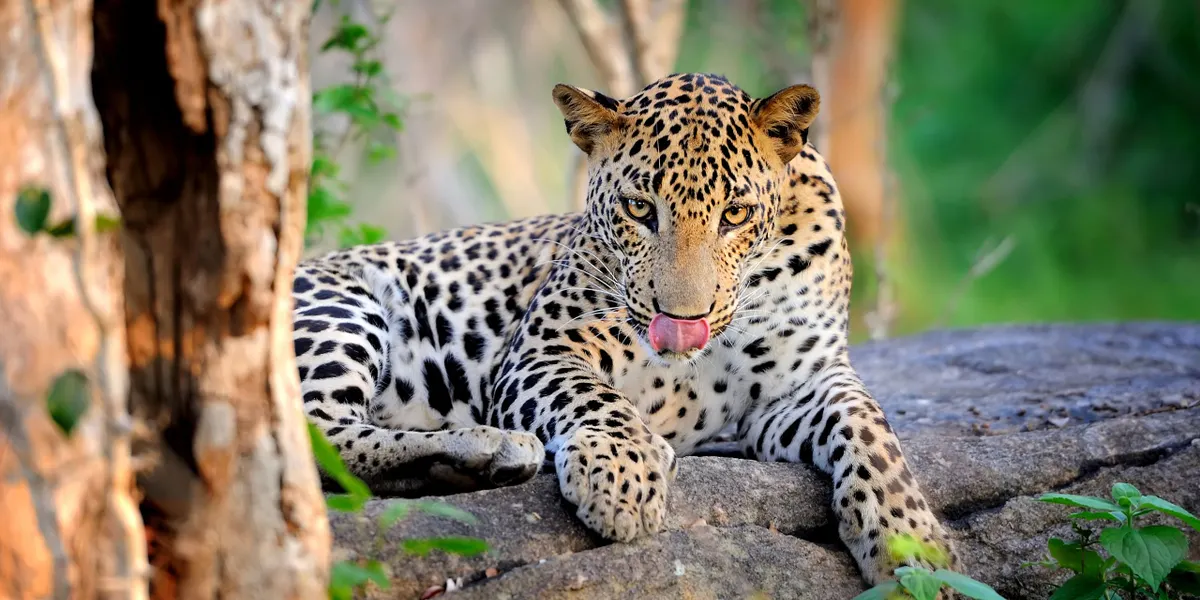
Ask a Sri Lankan where to see a leopard and the answer is immediate: Yala. The park's Block 1 — the section most safaris enter — is widely cited as having one of the highest leopard densities anywhere in the world, and unlike almost everywhere else these cats live, Yala's leopards are the top predator here. No lions, no tigers. That makes them unusually relaxed: they walk the tracks in daylight, drape themselves over rocks, and generally behave like they own the place, because they do.
But a leopard is never guaranteed, and the difference between a magical safari and a dusty traffic jam comes down to timing, expectations and the person behind the wheel. Here is how we plan Yala for our guests.
When to go — and when Yala closes
Yala sits in the island's southeastern dry zone, which means its rhythm runs opposite to the beach weather most visitors plan around. The best game viewing is roughly February to July, when the dry season concentrates animals around shrinking waterholes and the scrub thins out enough to actually see through it. June and July can be spectacular.
Two things to know about the calendar:
- The park usually closes for several weeks around September and October, at the driest point of the year, to give wildlife a break and let the park recover. Exact dates vary year to year — if your trip falls in that window, we will route you to an alternative (more on Udawalawe below).
- The northeast monsoon brings rain to this side of the island from around December to February. The park stays open and turns beautifully green, but animals disperse when water is everywhere, so sightings take more patience.
Happily, the Feb–Jul sweet spot overlaps with the tail of the west-coast beach season, which is why a safari slots so naturally between the hill country and the south coast on a classic loop like our 10-day itinerary.
Dawn or afternoon drive?
Game drives run in two windows: roughly 6 a.m. to 10 a.m. and 2.30 p.m. to 6 p.m. If you only do one, do the dawn drive. You enter as the park wakes — cats are still moving after the cool night, birds are everywhere, and the low light over the rock outcrops and lagoons is the Yala of the photographs. It means a 5 a.m. alarm from Tissamaharama, and it is worth every yawn.
Afternoon drives have their own logic: elephants come to water, the heat haze softens, and sloth bears are sometimes about when the palu trees are fruiting around May to July. Serious wildlife people do both — a full-day permit with a picnic breakfast and lunch inside the park is the single best upgrade if leopards are your priority, because you are deep in the park at midday when the day-trip jeeps have gone home.
What you will actually see
Leopards headline, but Yala on a normal morning is generous:
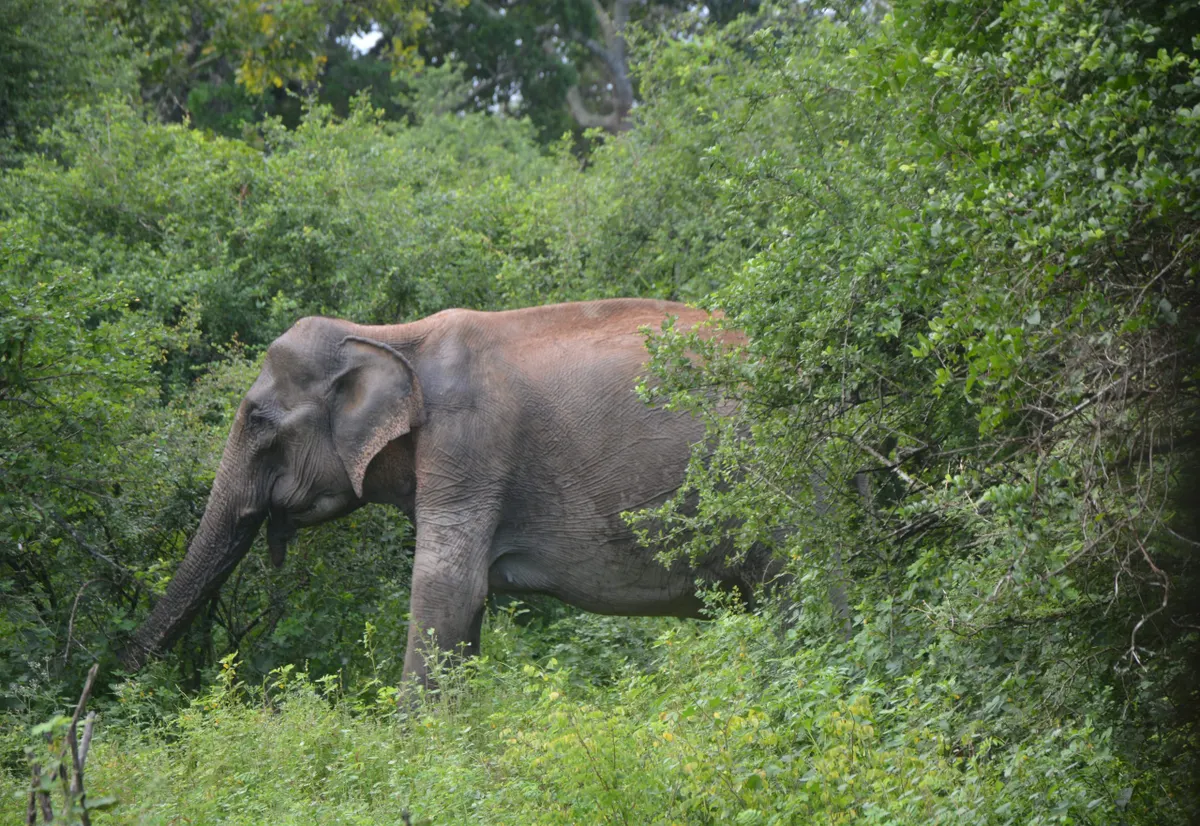
- Elephants, singly and in small herds, often absurdly close to the track.
- Sloth bears — shaggy, short-sighted and a genuinely rare sighting anywhere else in Asia.
- Crocodiles (both mugger and saltwater), water buffalo wallowing in every tank, and wild boar trotting through the scrub.
- Spotted deer and sambar everywhere — which is precisely why the leopards are here.
- Birdlife that deserves its own trip: painted storks, peacocks in ridiculous numbers, bee-eaters, serpent eagles, and flamingos on the lagoons in season.
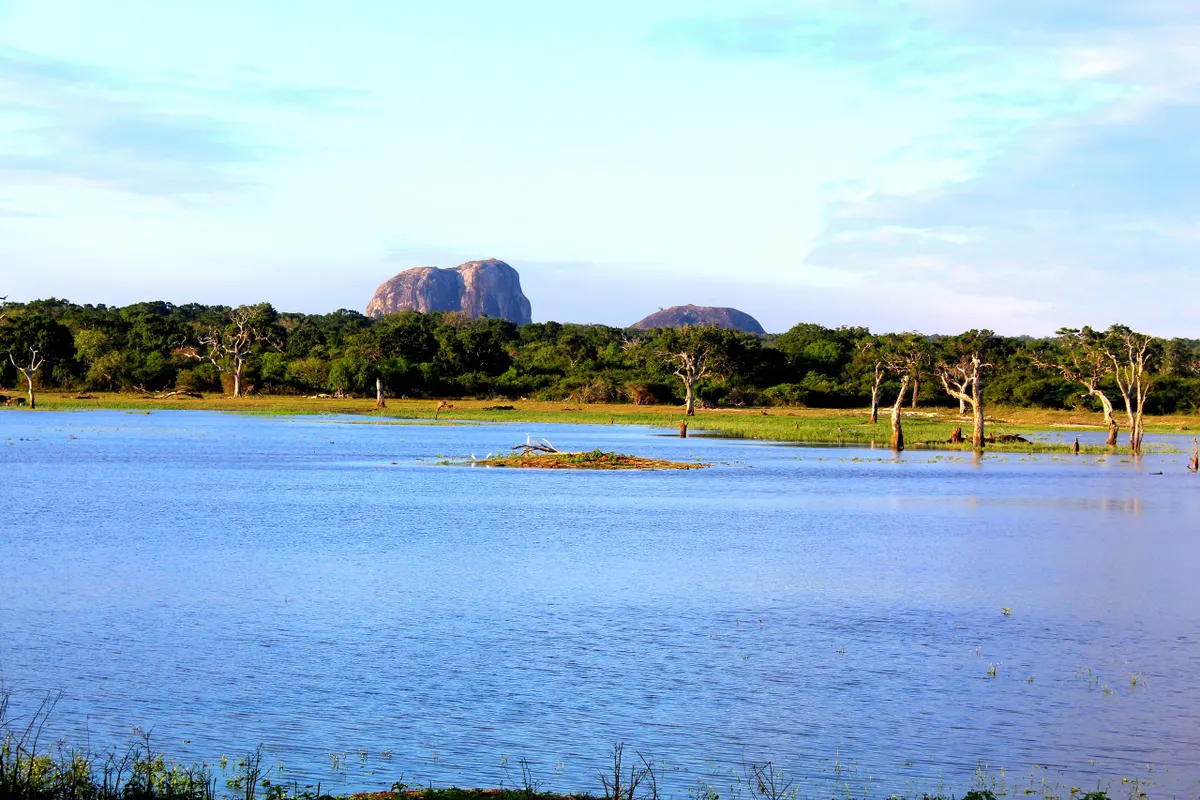
The landscape itself is half the show — a wild mosaic of scrub jungle, monumental granite outcrops, brackish lagoons and a dune-backed coastline where the park simply ends in the Indian Ocean.
Jeep etiquette and choosing an operator
This is the part that makes or breaks Yala. Block 1's fame means crowds, and a leopard sighting can draw a scrum of jeeps within minutes. A good operator manages this; a bad one causes it. What we look for, and what you should insist on:
- A driver-tracker who works the park daily and reads pugmarks and alarm calls rather than just chasing radio chatter to the latest jam.
- A willingness to wait. The best sightings come from sitting quietly at a waterhole, not racing the loop roads at speed.
- Respect for distance and rules — engines off at sightings, no off-track driving, no crowding an animal's line of movement. If your driver behaves badly, say so; you are the customer.
- A jeep with forward-facing seats and a full canopy, and no more than four to six guests so everyone has a window.
Entering at gate opening, or choosing quieter blocks (Block 5 via the Katagamuwa gate has grown a good reputation), also does a lot to escape the convoy.
Udawalawe: the elephant certainty
Two hours west of Yala, Udawalawe National Park is the other half of a perfect safari pairing. Where Yala is a suspense story, Udawalawe is a guarantee: its open grasslands around the reservoir hold hundreds of resident elephants, and it is virtually unheard of to drive here and not see them — bulls, breeding herds, tiny calves, often metres from the jeep. It is also open year-round, which makes it the natural stand-in when Yala closes in Sep–Oct, and its wide sightlines make it arguably the better first safari for families with young children.
Our 6-day wildlife safari tour pairs the two parks deliberately: Udawalawe for elephants and space, Yala for leopards and drama. If you are a birder or want elephants at the beach, Bundala and the coast near Mirissa extend the wildlife theme further.
Where to stay
Base in Tissamaharama ('Tissa'), twenty to thirty minutes from the main Palatupana gate. It has the widest spread of guesthouses and mid-range hotels, real restaurants, and its own lovely lake-and-dagoba scenery. Kirinda, on the coast by the park edge, is quieter and closer to the gate. At the top end, a handful of luxury tented camps sit on the park boundary itself — expensive, but falling asleep to peacock calls inside the buffer zone is a genuine experience. From Tissa it is around ninety minutes on to Mirissa and the beaches, or three hours back up to Ella — which is why the safari night slots so neatly between hill country and coast.
If you want the timing, gate strategy and a driver-tracker we trust arranged for you, get in touch — a well-run Yala morning is one of the best things this island does.
Читать дальше