पश्चिमी तट
Colombo
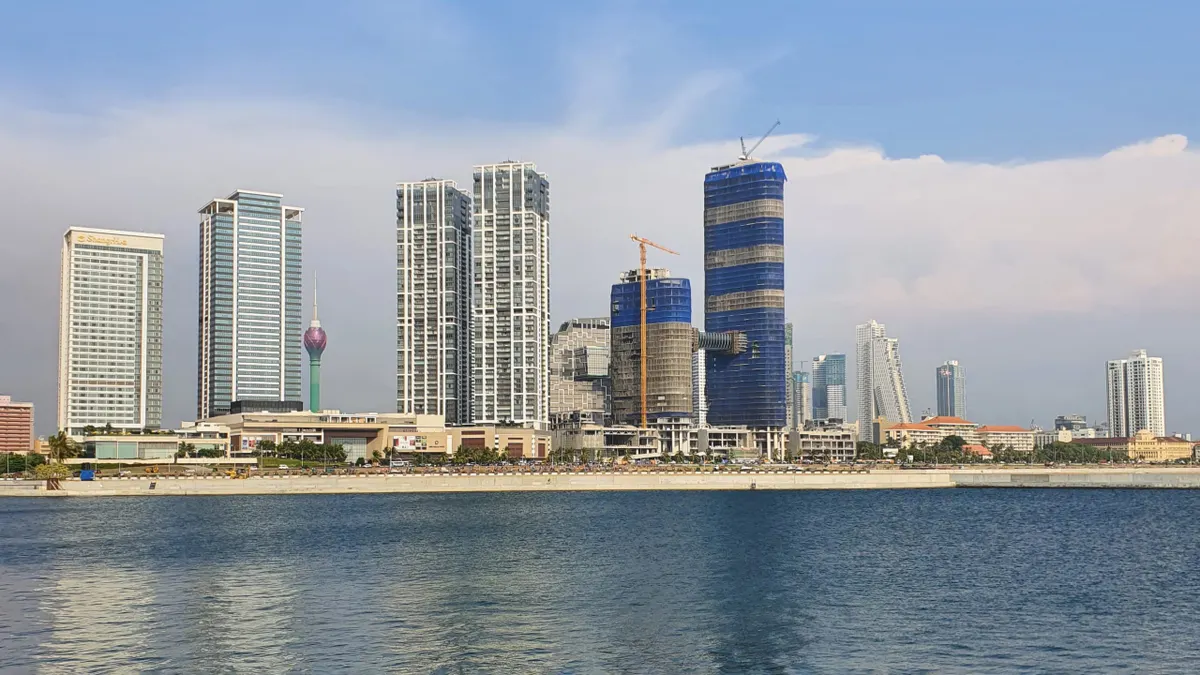
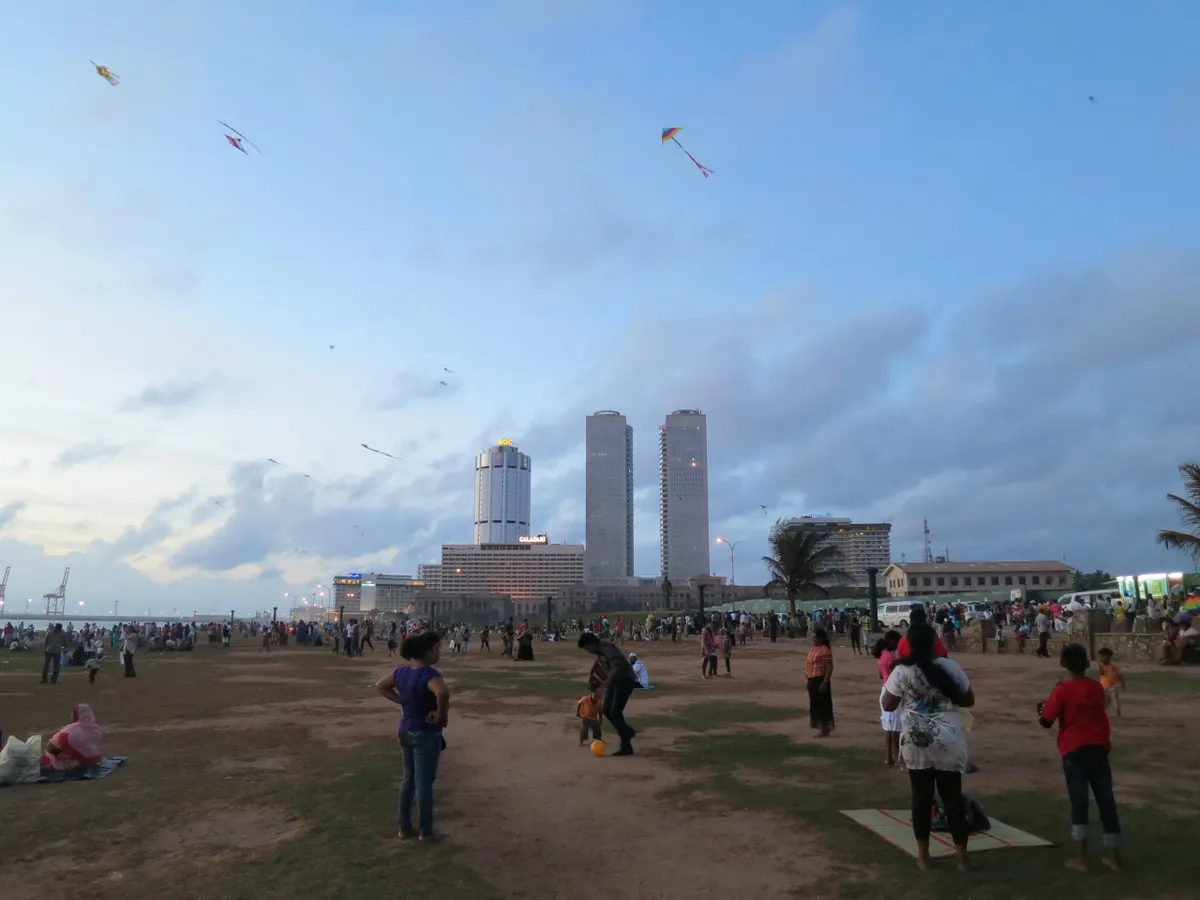
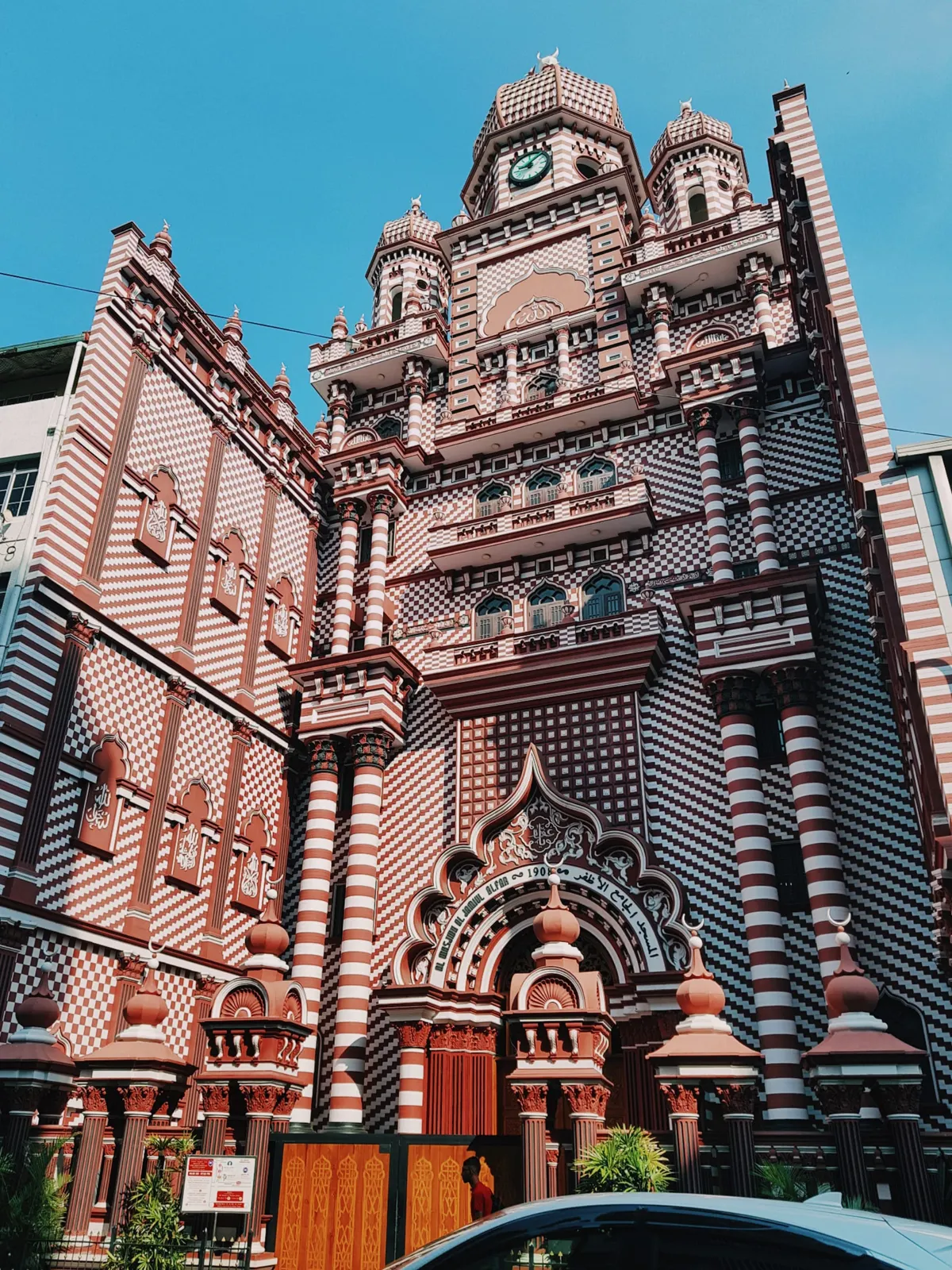
कोलंबो श्रीलंका का प्रवेशद्वार और उसका धड़कता व्यावसायिक हृदय है — एक समुद्रतटीय राजधानी, जहाँ सूर्यास्त के समय गॉल फेस ग्रीन पतंगों और कोत्तु के धुएँ से भर जाता है, पेट्टा के बाज़ार लाल-सफेद धारीदार मस्जिद के बगल में गूँजते हैं, और औपनिवेशिक दौर की फोर्ट इमारतें लोटस टावर की छाया में खड़ी हैं। यात्रा के आरंभ या अंत में इसे एक दिन दें — और पूरे द्वीप की कहानी साफ़ नज़र आने लगती है।
Almost everyone’s Sri Lanka begins and ends in Colombo, and almost everyone underestimates it. The island’s commercial capital has long been treated as a mere transit point — a highway between the airport and the beaches — but linger for even a day and the city reveals itself as the island in miniature: Buddhist temples beside candy-striped mosques, Dutch and British colonial bones under glass towers, and an oceanfront promenade where the whole city turns out at dusk to fly kites, eat isso wade off newspaper and watch the sun drown in the Indian Ocean.
This is not a city of blockbuster monuments; it is a city of textures. The pleasure of Colombo is in the switchbacks — from the polished calm of a colonial hotel veranda to the cheerful chaos of a bazaar lane three minutes away — and in eating, which the city does better than anywhere else on the island.
Galle Face Green — the city’s front porch
Start where Colombo itself starts each evening: Galle Face Green, the long ocean-side lawn laid out in the 1850s between the sea and the old Fort. By late afternoon it fills with families, cricket games, courting couples and squadrons of kites, while a row of food carts sends up smoke signals of frying — this is the place to eat kottu roti hammered out on twin blades, prawn isso wade and slices of green mango with chilli salt, standing up, facing the sunset. At the southern end, the grand old Galle Face Hotel has been watching the same sunset since 1864; its terrace is the classic spot for a sundowner when the pageant winds down.
Fort and Pettah — two worlds across one street
North of the Green lies the Fort district, Colombo’s colonial showpiece — a grid of Victorian and Edwardian facades, the whitewashed lighthouse-clocktower, the elegantly restored Old Dutch Hospital, whose 17th-century courtyards now hold some of the city’s best restaurants and bars, and the presidential quarter’s grand old banks and department stores in various states of splendid revival.
Cross Main Street and the volume triples. Pettah is the subcontinental bazaar in full cry: whole streets given over to a single trade — goldsmiths here, spices there, textiles, electronics, sacks of dried fish — threaded by porters with impossible loads. In its midst rises Pettah’s unmissable landmark, the Jami Ul-Alfar Mosque of 1909, its red-and-white candy-striped brickwork so exuberant that sailors once used it as a navigation mark. Non-Muslim visitors are welcomed outside prayer times; dress modestly and the caretakers will happily show you around.
Temples, towers and the national attic
A short ride inland, Gangaramaya Temple is Colombo’s most flamboyant Buddhist complex — part shrine, part museum, part cabinet of curiosities, where gilded Buddhas share space with vintage cars, ivory carvings and gifts from devotees across a century. Its serene satellite, the Seema Malaka meditation pavilion, floats on Beira Lake on platforms designed by Geoffrey Bawa, and is at its loveliest reflected in the water at dusk.
For the long view — literally — ascend the Lotus Tower, South Asia’s tallest structure, whose pink-petalled crown above the lake offers a 360° panorama from the harbour cranes to the hazy hills. And for the deep view, give an hour or two to the Colombo National Museum, the country’s attic since 1877: royal regalia of the Kandyan kings, serene ancient bronzes and galleries that make sense of everything you are about to see at Sigiriya, Kandy and beyond. The leafy Cinnamon Gardens district around it — Viharamahadevi Park, the Independence Memorial, a clutch of stylish cafés — is made for an unhurried afternoon.
Eating your way across the city
Colombo is Sri Lanka’s table. In a single day you can breakfast on egg hoppers with seeni sambol, lunch on a banana-leaf rice-and-curry spread, take colonial-era high tea, and dine on modern Sri Lankan tasting menus or crab curry that people fly in for. The Old Dutch Hospital and the streets of Colombo 3 and 7 hold the headline restaurants, but some of the best mouthfuls are the humblest — a street-corner kottu at midnight is a rite of passage.
How to use Colombo in your itinerary
Practically, Colombo is the hinge of every route: the airport is about 35–45 minutes north via the expressway, and the southern expressway puts Bentota and the Galle coast within easy reach. Most of our guests spend their first or last night here, and that is usually the right call — a gentle landing to shake off the flight, or a final evening of great food and last-minute shopping (tea, spices, handloom fabrics and Barefoot’s famous textiles) before flying home. Our Classic Ceylon 7-day tour begins exactly this way. With a full day, add a guided walk through Pettah and Fort in the morning, the museum or Gangaramaya after lunch, and Galle Face Green for sunset — the single best introduction to Sri Lanka that exists.
Ready to start your island story? Browse our tours or tell us your travel dates and we’ll take care of the rest.