10 July 2026 · The Ceylon Days Team · 5 min read
Whale Watching in Mirissa: Meeting Blue Whales off Sri Lanka’s South Coast
A few kilometres off Mirissa, the sea floor drops away and the largest animal that has ever lived comes to feed. When to go, what a morning at sea is really like, and how to choose a boat that respects the whales.
On this page
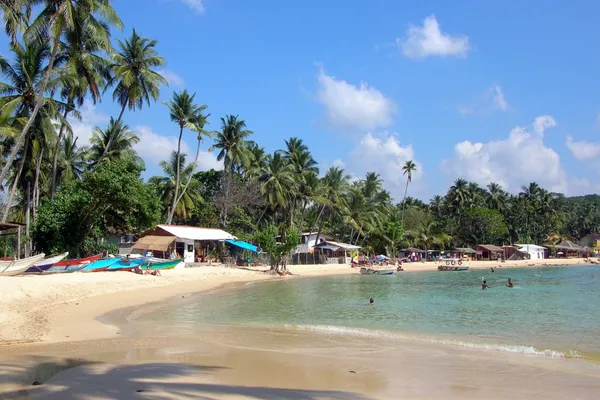
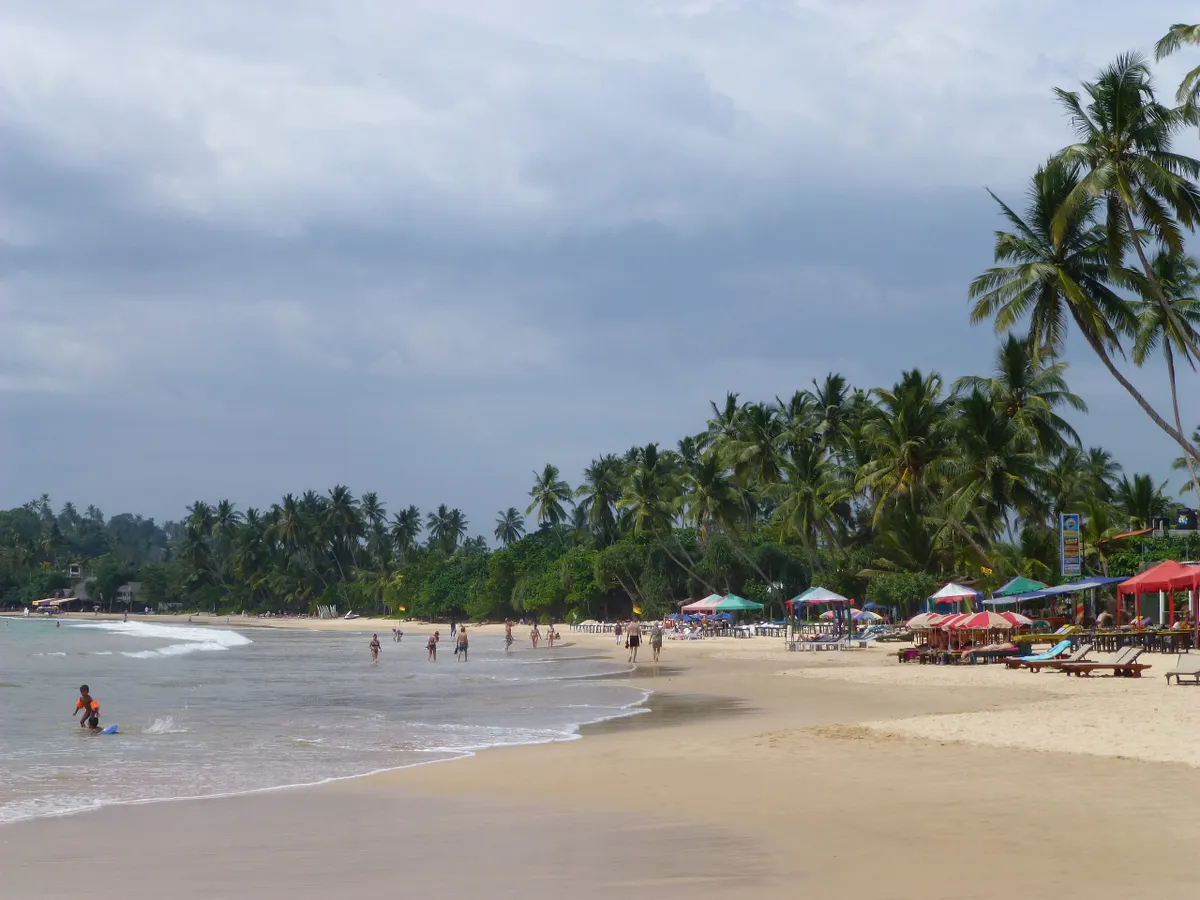
There are not many places on earth where you can eat breakfast on a palm-fringed beach and, two hours later, watch a blue whale surface a boat-length away. Mirissa, on Sri Lanka's south coast, is one of them — and it is not luck. The continental shelf here is unusually narrow, so the sea floor plunges to deep, nutrient-rich water only a few kilometres offshore. Blue whales, which almost everywhere else require long expeditions into open ocean, feed and travel within a short boat ride of the harbour.
That accident of bathymetry has made Mirissa one of the most reliable places on the planet to see the largest animal that has ever existed. Here is how to do it well — for you and for the whales.
When to go
The season runs with the calm seas of the northeast monsoon period on this coast: November to April, with the peak from December to March, when sighting rates for blue whales are at their highest and the ocean is at its gentlest. Outside those months the southwest monsoon (May–September) makes the sea rough and most operators stop running — and by then the action has shifted anyway.
If your trip falls in the summer months, all is not lost: the seas off Trincomalee on the east coast host their own whale season from roughly May to September, with blue and sperm whales seen from Swami Rock and on boat trips out of Trinco. The island effectively offers whales most of the year — you just have to be on the right coast, a rhythm we explain in our best time to visit guide.
What a morning trip looks like
Boats leave Mirissa harbour early, typically between 6.30 and 7 a.m., to use the calmest water of the day. Expect three to five hours at sea depending on where the whales are. The pattern is a steady run out past the fishing fleet to the shipping-lane-adjacent deep water, then a patient scan for the tell-tale sign: a tall, columnar blow hanging in the morning light.
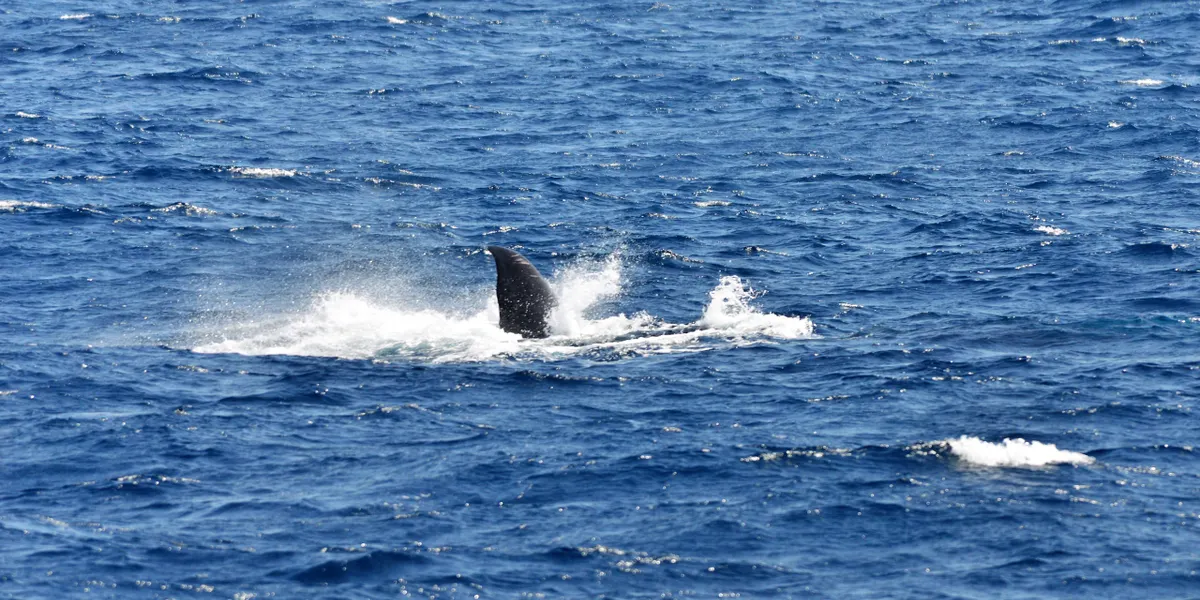
What follows, if you are lucky, is strangely calm. A blue whale at the surface is unhurried — a glinting slate-blue back that seems to keep coming forever, a small dorsal fin absurdly far behind the blowhole, a series of breaths, and then the moment everyone is waiting for: the flukes rising as the animal sounds for a deep dive. Then ten or fifteen minutes of nothing while it feeds far below, and the boat repositions and waits. Bring patience; this is wildlife, not a show.
Who you might meet
Blue whales headline, but the deep water delivers a full cast:
- Blue whales — the prize, seen on a large share of peak-season mornings.
- Sperm whales, sometimes in loose social groups, with their unmistakable angled blow.
- Spinner dolphins in their hundreds, riding bow waves and living up to their name.
- Bryde's whales, occasional orcas and short-finned pilot whales — rarer, but recorded every season.
- Flying fish, sea turtles and, in the harbour lanes, the working outrigger fleet hauling in the night's catch.
No sighting is ever guaranteed. Good operators are honest about this; in peak months the odds are strongly with you, but book the trip early in your beach stay so a blank morning leaves room to try again.
Choosing a responsible operator
This matters more in Mirissa than almost anywhere, because the whales' proximity has bred a crowded market, and boats behaving badly — racing, encircling, cutting across a whale's path — stress the very animals everyone came to see. Choose deliberately:
- Licensed and insured, with a purpose-built boat, life jackets for all, and a working radio — not a repurposed fishing skiff overloaded with plastic chairs.
- A stated code of conduct: approaching slowly from the side and behind, keeping a respectful distance (100 metres is the widely used standard), never chasing a whale that is avoiding boats, and limiting time with any one animal.
- A naturalist or trained crew who narrate behaviour rather than just gunning for the closest pass.
- Smaller passenger numbers over party-boat capacity. You want to hear the blow, not a sound system.
If your boat crowds an animal, say something. Operators respond to what customers reward — and the best ones in Mirissa are genuinely excellent. When we book whale trips for guests, we use operators we have vetted on exactly these points.
Seasickness, cameras and other practicalities
- Take the seasickness pill. Even in season there is ocean swell, and the slow drifting-and-waiting rhythm is what triggers most people. Take medication the night before and again an hour before departure, sit midship facing the horizon, and skip the fried breakfast. Ginger sweets genuinely help.
- Photography: a zoom in the 200–300 mm range is ideal, shutter speed high (1/1000s or better — the boat moves), and burst mode on for the fluke. But hedge: decide in advance to watch one surfacing sequence with your eyes only. The memory outlasts the file.
- Bring sunscreen, a hat that ties on, water, and a dry bag for electronics. Mornings can be cool on the run out.
- Skip swimming-with-whales offers. In-water encounters here are poorly regulated and add real stress to feeding animals; the surface show is the ethical spectacle.
Making a beach stay of it
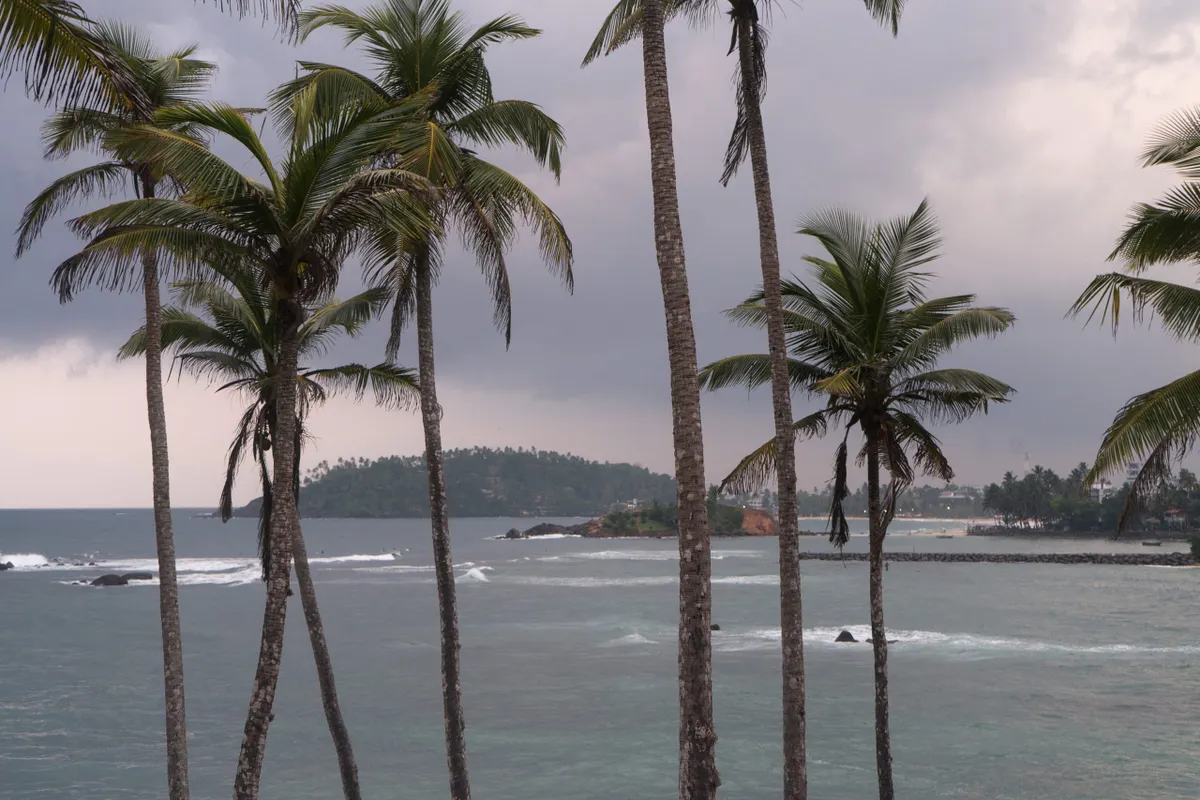
The whale trip occupies one morning, which is exactly why Mirissa earns two or three nights on a route: the rest is beach life. Climb Coconut Tree Hill for golden hour, take a beginner surf lesson in Weligama next door, day-trip to Galle's Dutch fort or the swimming bay at Unawatuna, and eat grilled seafood on the sand after dark. Our south coast beach guide maps the whole shoreline, and the 10-day itinerary shows where the whales slot into a full island route.
If you want the trip arranged with an operator who does it right — and the rest of the coast built around it — get in touch or browse our tours. Few mornings anywhere compare to this one.
Keep reading