Südküste
Mirissa
Mirissa, ein palmengesäumter Halbmond aus goldenem Sand an der tiefen Südküste, ist der Höhepunkt von Sri Lankas Strandleben — Surfkurse in sanften Wellen, Sundowner am Coconut Tree Hill und gegrillte Meeresfrüchte barfuß im Sand. Vor der Küste fällt der Kontinentalschelf so steil ab, dass von November bis April Blauwale — die größten Tiere, die je gelebt haben — vorbeiziehen.
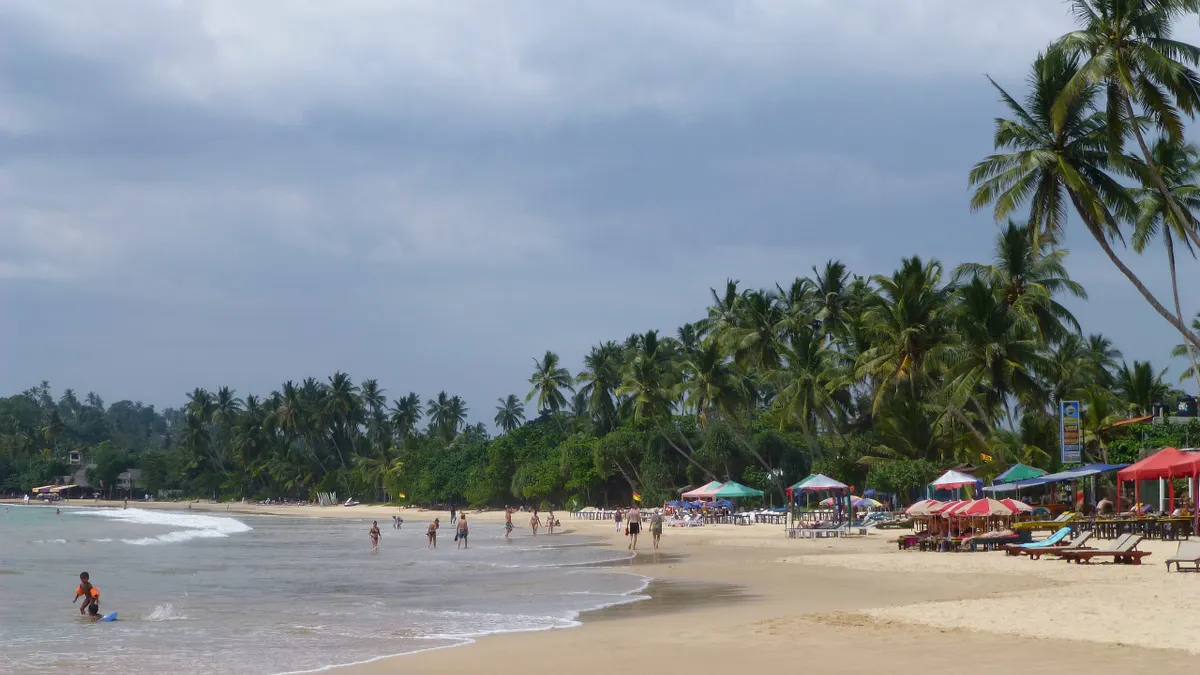
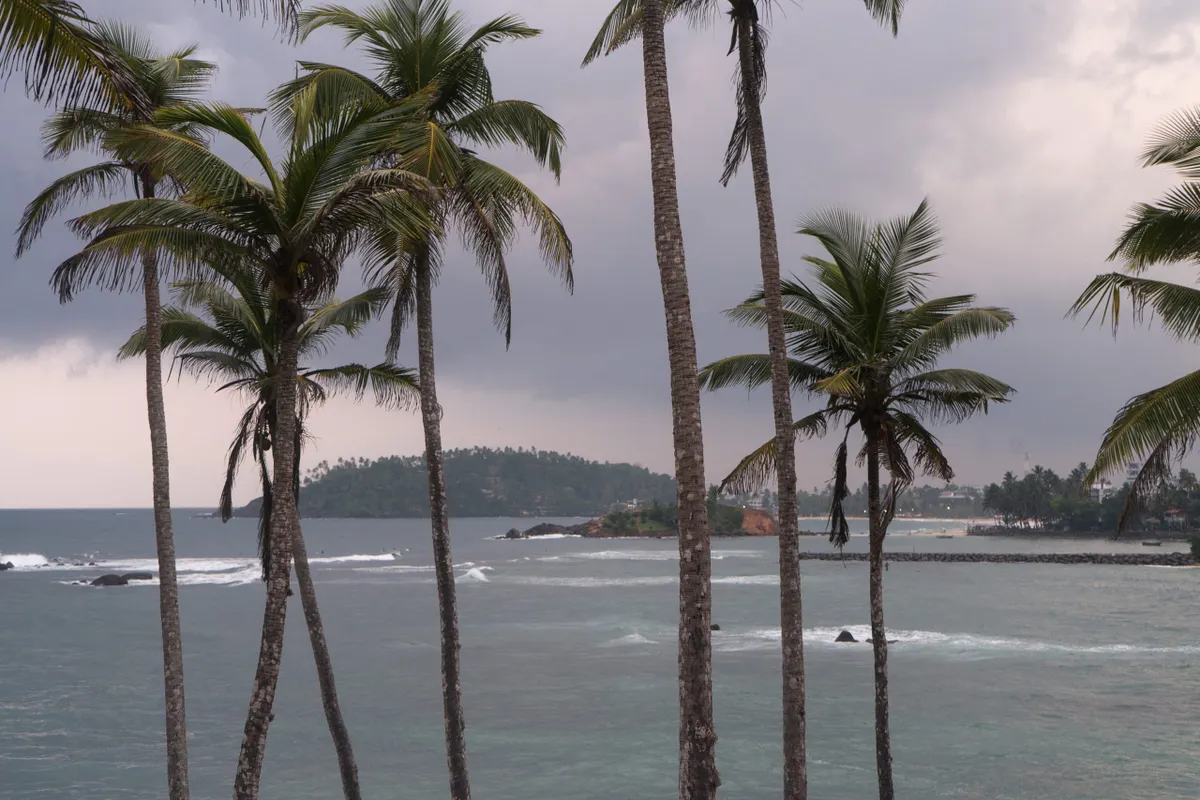
Mirissa announces itself gently: a curve of golden sand about a kilometre long, bracketed by rocky headlands, backed by an unbroken line of coconut palms. By day the bay hums quietly — swimmers in the calm western end, beginner surfers wobbling upright near the point, snorkellers poking around Parrot Rock, the walk-out islet in the middle of the beach. By night the restaurants drag their tables onto the sand, lay out the day’s catch on ice, and light the candles. It is the south coast’s beach-town formula at its most relaxed, and nobody leaves on schedule.
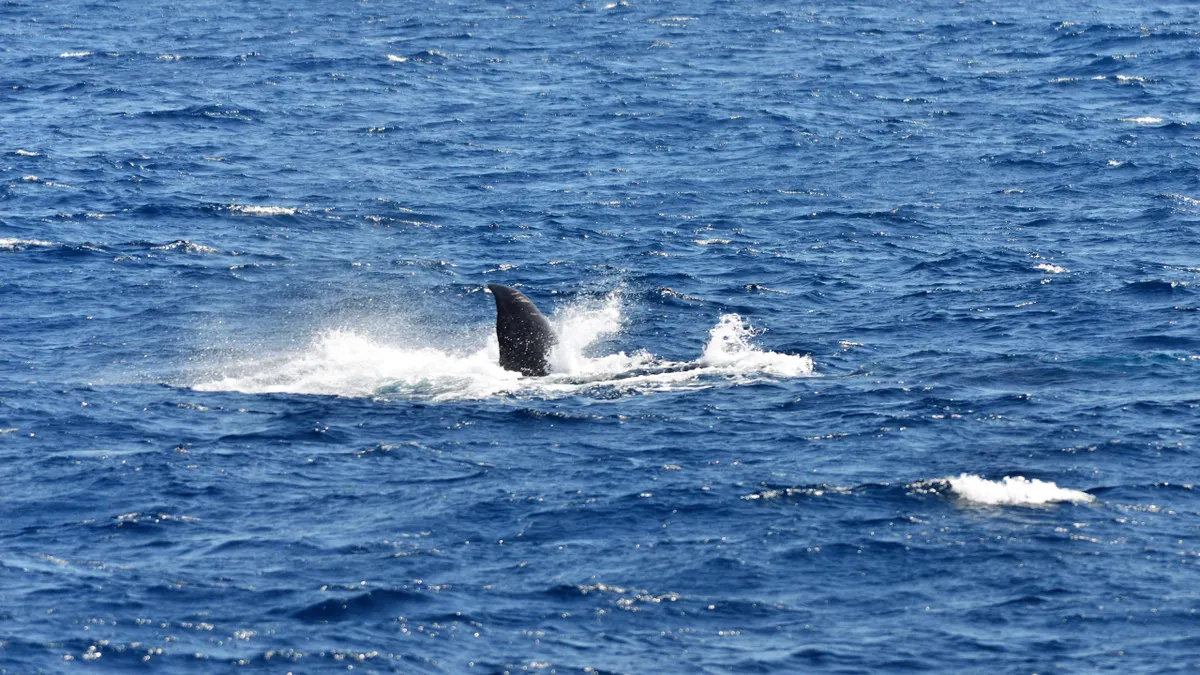
But Mirissa’s real claim to fame swims past offshore. A few kilometres out, the continental shelf plunges into deep ocean, funnelling nutrient-rich water — and the krill it feeds — close to land. The result is one of the most reliable places on the planet to see blue whales, the largest animals that have ever existed, on a morning boat trip from a beach town.
Whale watching — the main event
From roughly November to April, when the northeast-season seas off the south coast turn calm, boats leave Mirissa harbour at dawn in search of giants. Blue whales are the headline act — up to 30 metres of animal, announced by a towering blow and, if you’re lucky, a fluke raised against the morning light. Sperm whales, Bryde’s whales, spinner dolphins in their hundreds and the occasional orca or whale shark round out the cast. Sightings are never guaranteed — this is wild ocean, not a theme park — but in season the strike rate here is genuinely world-class.
A morning at sea typically runs three to five hours. Choose your operator with care: look for licensed boats that follow responsible-watching guidelines — keeping respectful distances, never chasing or encircling animals, limiting time with each whale. It matters for the whales and it makes for better sightings, since undisturbed animals stay up longer. Take the seasickness tablet the night before and again at breakfast (veterans’ advice), go early in the season for glassy seas, and keep your camera strap around your neck.
Coconut Tree Hill and the headlands
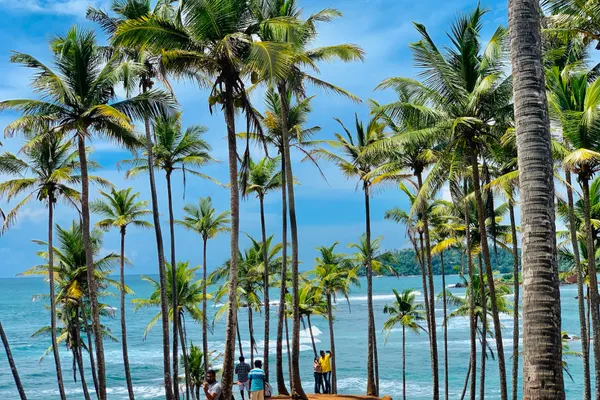
At the eastern end of the bay, a short walk past the point, a small headland planted with a perfect grove of coconut palms leans out over the ocean. Coconut Tree Hill has become one of the most photographed spots in Sri Lanka, and sunset here is a small nightly festival — travellers and locals scattered across the red-earth bluff as the palms go to silhouette and the sky performs. Come at sunrise instead and you may have it nearly to yourself.
The western headland hides a counterpoint: Secret Beach, a string of tiny sandy coves reached by a scrappy ten-minute path, with calm, snorkel-friendly water on quiet days. Between the two, climb Parrot Rock at mid-beach for the full sweep of the bay — it takes ninety seconds and earns you the best free view in town.
Surf, snorkel, eat, repeat
Mirissa’s beach break and mellow point are ideal territory for first-time surfers — board-hire shacks and patient instructors line the eastern end, and the season’s best conditions coincide with the dry months. Progressing fast? The world-famous learner waves of Weligama are ten minutes west, and advanced surfers day-trip along the coast toward Ahangama and beyond. In the right months, snorkellers sometimes share the shallows off the headlands with green and hawksbill turtles.
Then there is the eating, which Mirissa treats as seriously as the surfing. The evening ritual is unimprovable: stroll the sand, inspect the seafood displays — mud crab, jumbo prawns, whole snapper, yellowfin tuna — pick your fish and your spice level, and settle in at a candlelit table with your toes in the sand while it goes on the grill. Follow it with a king coconut or a slice of chocolate biscuit pudding, a south-coast institution.
When to go and getting there
Mirissa lives by the southwest monsoon calendar. December to April is peak season: dry skies, calm seas, whale boats running daily and the town at full hum. May to September brings the Yala monsoon — passing showers, bigger seas, most whale trips paused — but also empty sands, green landscapes and gentle prices. October and November are the shoulder, with the season stirring back to life.
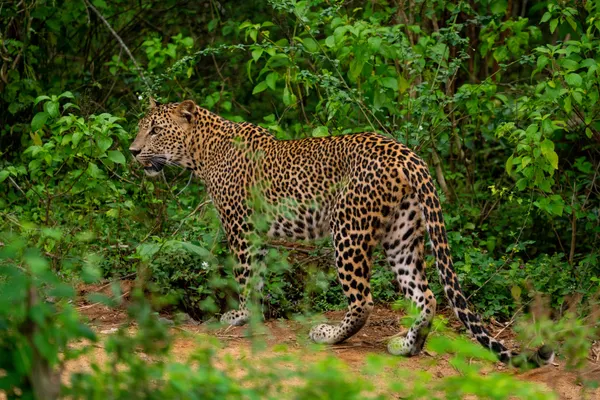
The town sits about 2.5 to 3 hours from Colombo via the Southern Expressway, 45 minutes beyond Galle — whose UNESCO fort makes the perfect cultural counterweight to Mirissa’s barefoot days — and just past the swimming coves of Unawatuna. Safari fans can even reach Yala National Park in around two hours for a leopard-spotting day trip.
Know before you go
- Book whale-watching for early in your stay, so a rough-sea cancellation leaves you a second chance.
- Swim between the headlands and heed local advice on currents, especially near the river outlets and in the green season.
- Sunset at Coconut Tree Hill is popular — go with patience, or beat the crowds at dawn.
- Respect the ocean’s residents: choose whale operators who keep their distance, and never touch turtles in the shallows.
- Cash is handy for beach shacks; ATMs cluster on the main road.
Mirissa headlines our Southern Beaches 5-day tour — whales at dawn, surf by noon, seafood by candlelight.
Ready for the biggest animal on Earth before breakfast? Browse our tours or plan your trip with us.
Für Sie zusammengestellt